
9/05/2007


8/31/2007

Stop the deportation of Pegah Emambakhsh
 متن فارسی قانون مجازات اسلامی
Islamic Republic of Iran's punishment code on Homosexuality
Appendix
Complete Text of the Iranian Law on Homosexuality
Part Two: The Hadd of Lavat
Chapter One: The Definition of Lavat
Article 108: Lavat is an act of congress [vati] between males whether in [the form of] penetration or of tafkhiz (the rubbing of thighs/of the penis against thighs).
Article 109: Both the active and passive partners to lavat are subject to the hadd [punishment].
Article 110: The hadd [punishment] for lavat where penetration has occurred is death and the method of execution is at the discretion of the Sharia judge.
Article 111: Lavat is punishable by death so long as both the active and passive partners are mature, of sound mind, and have acted of free will.
Article 112: If a mature man commits an act of lavat with a minor the active partner [i.e. mature man] will be executed and the passive partner will, unless he has acted under duress, receive up to 74 lashes of the whip.
Article 113: Whenever a minor commits an act of congress [vati: i.e. whether penetrative or in the form of “tafkhiz or similar acts”] with another minor [both] will receive up to 74 lashes unless one of them has acted under duress.
Chapter Two: Methods of Proving Lavat
Article 114: The hadd [crime] of lavat is proven by confession repeated four times before a Sharia judge.
Article 115: Less than four confessions do not incur the hadd [punishment] and the person who confesses will be subject to a discretionary punishment [ta‘zir].
Article 116: Confession is valid when the confessor is mature, of sound mind, in control, has free will and [acts with] intention.
Article 117: The hadd [crime] of lavat is proven by the witness of four just men who have observed the act.
Article 118: The hadd [crime] of lavat is not proven by the witness of fewer than four just men and the witnesses will be subject the hadd [punishment] for slander (qazaf).
Article 119: The witness of women alone, or in conjunction with men, does not prove the hadd [crime] of lavat.
Article 120: The Shari’a judge may rule [issue a verdict] on the basis of the knowledge which he has acquired through generally accepted methods (i.e. his deductions and examinations).
Article 121: The hadd [crime] of tafkhiz and similar acts between two men, without penetration, will be punished by 100 lashes for each [party to the act].
Note to Article 121: If the active partner is non-Muslim and the passive partner is Muslim the punishment for the active partner is death.
Article 122: If tafkhiz and similar acts are repeated three times, and have each time incurred the hadd punishment on the fourth offence the hadd (punishment) will be death.
Article 123: If two men, unrelated to one another, lie, without necessity, naked under the same cover, they will each be punished by up to 99 lashes of the whip.
Article 124: If a man kisses another with lascivious intent they will be punished by up to 60 lashes of the whip.
Article 125: If a man who has committed an act of sodomy (lavat) or the rubbing of thighs (tafkhiz) or similar acts repents before witnesses have delivered their testimony he will not be subject to the hadd punishment. If the man repents after the testimonies have been delivered, he will be subject to the hadd punishment.
Article 126: If sodomy (lavat) or the rubbing of thighs (tafkhiz) or similar acts is established by confession, and the person who has confessed subsequently repents, the judge may request the Vali-ye Amr [the Supreme Leader] to exercise clemency.
Chapter Three: Lesbianism (mosaheqeh)
Article 127: Mosaheqeh is a same sex relationship between women with genital contact.
Article 128: The methods of proving mosaheqeh are the same as those for sodomy.
Article 129: The hadd punishment for mosaheqeh is 100 lashes of the whip for each party.
Article 130: The hadd crime of mosaheqeh may be proven in the case of those who are mature, of sound mind, and who have acted with intention.
Note: In the hadd crime of mosaheqeh there is no distinction between the active and passive party or between Muslim and non-Muslim parties [to the act].
Article 131: If mosaheqeh is repeated three times and the hadd has been carried out on each occasion, the hadd punishment on the fourth occasion will be death.
Article 132: If a person who has committed an act of mosaheqeh repents before witnesses have delivered their testimony she will not be subject to the hadd punishment. If the person repents after the testimonies have been delivered, she will be subject to the hadd punishment.
Article 133: If the act of mosaheqeh is established by confession, and the person who has confessed subsequently repents, the judge may request the Vali-ye Amr [the Supreme Leader] to exercise clemency.
Article 134: If two women, who are unrelated to one another, lie, without necessity, naked under the same cover, they will each be punished by less than 100 lashes of the whip. If the act is repeated and the ta‘zir punishment is in each case administered, on the third occasion the hadd punishment of 100 lashes will be incurred.

8/25/2007

8/19/2007
'افزایش اعدامها در ایران

14:40 گرينويچ - يکشنبه 19 اوت 2007 - 28 مرداد 1386
'افزایش اعدامها در ایران به جرم براندازی'
هفته نامه آبزرور، چاپ لندن، در شماره روز یکشنبه (19 اوت) در گزارشی از تهران به نقل از منتقدان حکومت و دولت ایران آورده که در یک ماه گذشته بالغ بر سی نفر در زندان های این کشور و همچنان انظار عمومی اعدام شده اند که هدف از اجرای این احکام خاموش کردن صدای فعالان سیاسی بوده است. رابرت تیت، نگارنده این گزارش از تهران، می گوید این اعدام ها در بحبوحه برخورد شدید نظام جمهوری اسلامی با "توطئه های آمریکایی برای براندازی حکومت" صورت گرفته است.گزارش آبزرور آورده ظاهرا بسیاری از این اعدام ها در انظار عمومی اجرا شده تا جوی از ارعاب را به وجود آورد و همچنین حامل پیامی کوبنده برای غرب باشد.این هفته نامه به نقل از منابع مخالف با حکومت ایران می نویسد دست کم سه نفر از فعالان سیاسی در میان اعدام شدگان یک ماه اخیر بوده اند و این نشان می دهد که بر خلاف ادعای دولت ایران فقط "اراذل و اوباش" را اعدام نمی کند. به گفته رابرت تیت اعدام های اخیر همچنین مصادف شده با سرکوب فعالان دانشجویی و دانشگاهیان که متهم اند تلاش داشته اند با حمایت ایالات متحده "انقلابی نرم" را در ایران پایه ریزی کنند.آبزرور در ادامه به اعدام "مجید کاووسی فر"، 28 ساله، و برادرزاده اش "حسین" اشاره می کند که به جرم قتل قاضی حسن احمدی مقدس، سرپرست مجتمع قضائی موسوم به ارشاد، به تازگی اعدام شدند. این هفته نامه می نویسد که قاضی مقدس به برخورد شدید با فعالان سیاسی و زندانی کردن آنها شهرت داشته است. مجید و حسین کاووسی فر از یک جرثقیل و بر فراز یک خیابان پرتردد تهران به دار آویخته شدند.نگارنده این گزارش توضیح می دهد که نمایش دار زدن این دو نفر، که اولین اعدام در انظار عمومی در تهران در پنج سال گذشته بوده، در مقابل ساختمان مرکزی دادگستری و مکانی که قاضی مقدس در آن به قتل رسید، انجام شد. این محل، که نزدیک دفاتر کاری متعدد و سفارتخانه های استرالیا و ژاپن قرار دارد محل تردد طبقه متوسط ساکن تهران است، کسانی که معمولا شاهد چنین صحنه هایی نیستند.روز قبل از اعدام این افراد، هفت مرد دیگر در شهر مشهد در انظار عمومی اعدام شدند. مسئولان ایران گفتند که پنج تن از آنها به جرم "تجاوز جنسی، آدم ربایی، سرقت و ارتکاب به اقدام های شنیع دیگر" اعدام شده اند. دو تن دیگر هم به طور جداگانه به خاطر تجاوز جنسی و سرقت از یک زن جوان اعدام شدند. تصاویر این اعدام ها به صورت زنده از تلویزیون دولتی ایران پخش شد.رابرت تیت، گزارشگر هفته نامه آبزرور، می نویسد اعدام در انظار عمومی کمتر در ایران اجرا می شود و فقط برای مواردی استفاده می شود که جنایت صورت گرفته باعث خشم عمومی شده باشد مثل قتل زنجیره ای کودکان معروف به پرونده "بیجه".این هفته نامه در بخش دیگری از این گزارش به نقل از سازمان های مدافع حقوق بشر آورده که شمار زندانیانی که از آغاز سال جاری اعدام شده به 150 نفر می رسد این در حالی است که کل آمار اعدام های سال 2006، صد و هفتاد و هفت نفر بوده است. به گفته آنها از زمانی که محمود احمدی نژاد رییس جمهور ایران شده است آمار اعدام ها به شدت افزایش داشته است.اخیرا دولت جمهوری اسلامی طرحی را برای مقابله با قاتلان، متجاوزان جنسی، قاچاقچیان مواد مخدر و کسانی که برای "امنیت جامعه خطرناک" هستند، راه اندازی کرده است. به نوشته آبزرور این برنامه موجی از بازداشت ها را در محله های کارگری تهران و دیگر شهرها را به دنبال داشته است. نگارنده این گزارش می نویسد نیروی انتظامی بازداشت شدگان را در خیابان های تهران به صف کشیده و اغلب در شرایطی "خفت آمیز" به نمایش گذاشته است.این هفته نامه در ادامه آورده تبلیغات دولت ایران در مورد اعدام هایی که در زندان ها صورت گرفته نیز گسترده بوده است. ماه پیش تلویزیون دولتی ایران فیلمی را پخش کرد که در آن دوازده محکوم به اعدام پیش از اجرای حکم در زندان اوین از کرده خود ابراز پیشمانی کرده اند.مقامات ایران گفتند که محکومان متهم به "تجاوز جنسی، لوات، ضرب و شتم" بوده اند.رابرت تیت به نقل از مخالفان حکومت ایران می نویسد که دست کم سه تن از این افراد فعال سیاسی بوده اند اما هویت این افراد را به هفته نامه آبزرور افشا نکردند.سایت اینترنتی "عصر ایران"، متعلق به دولت ایران، این ادعاها را رد و آن را "دروغ" توصیف کرده است.آبزرور همچنین به ادعاهای مدافعان حقوق همجنسگرایان اشاره دارد که گفته اند تعدادی از مردان همجنسگرا در میان اعدام شدگان بوده اند. قوانین ایران برای روابط همجنسگرایانه، زنا، خرابکاری، سرقت مسلحانه، قاچاق مواد مخدر و ترک دین اسلام اشد مجازات مرگ را در نظر گرفته است.رابرت تیت در ادامه به این موضوع اشاره می کند که جمهوری اسلامی از جمله کشورهای جهان است که در صدور و اجرای حکم اعدام بسیار فعال بوده است و به لحاظ شمار اعدام ها بعد از چین، رده دوم در جهان را به خود اختصاص داده است.آبزرور به نقل از گروه های مدافع حقوق بشر آورده که در ابعاد جهانی ایران بدترین پیشینه را در اعدام جوانانی دارد که در سنین زیر هجده سال مرتکب جرم شده اند. اما به نوشته رابرت تیت برخی مقامات در ایران از برخوردهای اخیر استقبال نکرده اند. آیت الله محمود هاشمی شاهرودی، رییس قوه قضائیه که نسبتا میانه روست، علنا از دولت احمدی نژاد انتقاد کرده است.آقای شاهرودی همچنین در اعتراض به جو اختناق به مقامات دستور داده در مورد برخی ادعاها که فعالان دانشجویی اخیرا در زندان اوین شکنجه شده اند، تحقیق کنند.هفته نامه آبزرور در پایان این گزارش همچنین اشاره می کند به سرپیچی مسئولان قضائی قزوین از دستور آقای شاهروردی و اجرای حکم سنگسار مردی در این استان و این که این موضوع موجب ناخشنودی زیاد رییس قوه قضائیه ایران شده است.
این هفته نامه در نهایت نتیجه گیری می کند به هر حال این طور که به نظر می رسد اعدام ها در این کشور همچنان ادامه خواهد داشت
Iran hangs 30 over 'US plots'
Surge in public executions is a push to silence political activists, say critics
Robert Tait in Tehran
Sunday August 19, 2007
Observer
Iran has hanged up to 30 people in the past month amid a clampdown prompted by alleged US-backed plots to topple the regime, The Observer can reveal.
Many executions have been carried out in public in an apparent bid to create a climate of intimidation while sending out uncompromising signals to the West. Opposition sources say at least three of the dead were political activists, contradicting government insistence that it is targeting 'thugs' and dangerous criminals. The executions have coincided with a crackdown on student activists and academics accused of trying to foment a 'soft revolution' with US support.
The most high-profile recent executions involved Majid Kavousifar, 28, and his nephew, Hossein Kavousifar, 24, hanged for the murder of a hardline judge, Hassan Moghaddas, a man notorious for jailing political dissidents. They were hanged from cranes and hoisted high above one of Tehran's busiest thoroughfares.
The spectacle, the first public executions in Tehran for five years, took place outside the judiciary department headquarters where Moghaddas was murdered. But the location, near many office blocks and the Australian and Japanese embassies, meant they were seen by many middle-class Iranians who would not normally witness such events.
The previous day seven men were publicly executed in the north-eastern city of Masshad, including five said to be guilty of 'rape, kidnapping, theft and committing indecent acts'. Another two were hanged separately for raping and robbing a young woman. The executions were also shown live on state television.
Public hangings are normally carried out sparingly in Iran and reserved for cases that have provoked public outrage, such as serial murders or child killings. Human rights organisations say the rising death toll has brought the number of prisoners executed this year to about 150, compared to 177 in 2006, a dramatic increase in capital punishment since the country's radical President, Mahmoud Ahmadinejad, took office two years ago.
The executions come after the government launched a campaign targeting murderers, sex offenders, drug traffickers and others cast as a threat to 'social security'. It resulted in a wave of arrests after police raided working-class neighbourhoods in Tehran and other cities. Those arrested were paraded in public, often in humiliating poses.
The government has also sought to publicise executions conducted behind closed doors. Last month state television broadcast footage of 12 condemned men as they were about to be hanged in Tehran's Evin prison. The authorities said they had been guilty of 'rape, sodomy and assault and battery'. Opposition sources say at least three were political activists, though they have not disclosed their identities. Asiran, a government website, dismissed the claims as 'lies'.
International gay rights campaigners have also said that homosexual men were among the executed. Homosexuality is a capital offence in Iran, along with adultery, espionage, armed robbery, drug trafficking and apostasy.
Iran has long been one of the world's most prolific exponents of the death penalty and ranks second only to China in the number of executions. Human rights groups say it has the world's worst record for executions for crimes committed when the defendant was under 18.
However, there have been signs of official disquiet over the recent trend. Ayatollah Mahmoud Hashemi Shahroudi, the relatively moderate judiciary chief, has made an apparent protest by openly criticising Ahmadinejad's government on a range of issues. He also signalled displeasure with the repressive climate by ordering officials to investigate claims that student activists were tortured during a recent detention in Evin prison.
Shahroudi is believed to have been unhappy over the stoning to death last month of a man convicted of adultery after he had ordered a stay of execution.
However, the spate of executions seems likely to continue. Tehran's hardline chief prosecutor, Saeed Mortazavi, has announced that he is seeking the death penalty against 17 'hooligans'.
Guardian Unlimited © Guardian News and Media Limited 2007
8/18/2007
Human rights situation in Iran


women life in iran
http://fr.youtube.com/watch?v=GZF9Zs9AYl8&mode=related&search=
hejab in Iran
http://fr.youtube.com/watch?v=0Kc4dTfC2dE&mode=related&search=
youth life in iran
http://fr.youtube.com/watch?v=Qszg0Ii3Q5E&mode=related&search=
ETTEHAM - MAHOUR IRAN RAP : MANI TURKZADEH FILM
http://fr.youtube.com/watch?v=J7aA_V1X1YM&mode=related&search=
youth life in iran 2
http://fr.youtube.com/watch?v=c1CoQIMOPFo&mode=related&search=
Human rights situation in Iran
http://fr.youtube.com/watch?v=f2cdUp00rWc&NR=1
Human rights situation in Iran 2
http://fr.youtube.com/watch?v=FtpR-qvsa6E&mode=related&search=
The 2nd Islamic Invasion of Persia
http://fr.youtube.com/watch?v=X6okfljPEck&mode=related&search=
ISLAMIC POLICE IN TEHRAN
http://fr.youtube.com/watch?v=7QfZHkBEt-M&mode=related&search=
Barbaric Police Violence in Tehran-Iran
http://fr.youtube.com/watch?v=UqDTMEnoBj4&mode=related&search=
Hanging in Iran - August 2007
http://fr.youtube.com/watch?v=utlt__RFEYM
The hanging of Atefeh Rajabi, 16-year-old, Neka
http://fr.youtube.com/watch?v=a-w9clp6pnc&mode=related&search=
Child Executions in Iran
http://fr.youtube.com/watch?v=dp3k97wTezQ&mode=related&search=
Iran Executions
http://fr.youtube.com/watch?search=&mode=related&v=2wHbxfIVshE

1/25/2007
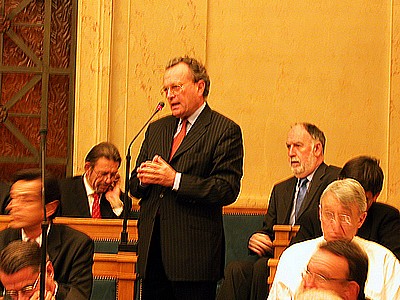
À LA UNE - Christian Vanneste
1/24/2007

12/23/2006
Urgent : La décision est tombée : Karim doit être expulsé
EDITION SPECIALE
France (Société)
La cour d'appel de Bordeaux renvoie un gay algérien dans son pays où il risque la prison
Il n'y aura pas de trêve de Noël pour Karim. La cour administrative de Bordeaux vient de rendre son jugement et de confirmer aujourd'hui l'arrêté de reconduite à la frontière qui frappe Karim, jeune gay algérien âgé de 18 ans (lire Quotidien du 20 décembre). Alors que Karim a fui son pays il y a plus de deux ans, après des violences subies en raison de homosexualité, la cour administrative d'appel n'a même pas cherché à entendre les risques qu'il encourt en Algérie en cas de renvoi dans son pays. Karim est donc toujours sous le coup d'une reconduite à la frontière, que la préfecture peut mettre en oeuvre dès qu'elle le souhaite. «Nous ne nous attendions pas à ce que la décision tombe aussi vite. L'Inter-LGBT va prendre rapidement c! ontact avec le ministère de l'Intérieur afin de demander à Nicolas Sarkozy de prendre en compte le caractère exceptionnel de la situation de Karim, a déclaré à Têtu Alain Piriou, porte-parole de l'Inter-LGBT. Les associations qui se sont mobilisées pour Karim sont plongées dans une très grande colère. Cette décision est une négation pure et simple de la situation dans laquelle se trouve Karim. D'un côté, il y a les arguments administratifs et juridiques, mais de l'autre le caractère humain et c'est d'ailleurs pour ce seul motif qu'un ministre de l'Intérieur pourrait aller au-delà d'une décision de justice. C'est cette porte que nous laissons ouverte à Nicolas Sarkozy. S'il décide de la refermer, cela relèvera de sa seule responsabilité.» Matthieu Rouveyre, conseiller municipal PS à la mairie de Bordeaux et parrain républicain de Karim est très choqué: «J! e suis écœuré. J'en ai les larmes aux yeux. Il n'est pas poss! ible de faire ça à un gamin dans sa situation. Nous allons entrer en résistance et nous servir de cette colère pour tout faire afin que Karim reste ici. Nous allons trouver une solution. Nous ne pouvons pas le laisser partir.»
Pour marquer votre soutien à Karim, vous pouvez signer une pétition en sa faveur sur le site créé à cet effet.
Copyright tetu.com
par Cyril Vergès
Info du 2006-12-22
12/11/2006
f i g h t i n g... f o r... t o m o r r o w

An interview with Arsham Parsi
By Afdhere Jama
For some years, a group of queer Iranians have been making a progress in exchanging information and supporting each other. From inside and outside of their homeland, they have committed themselves to changing their country's conservative attitude to queer sexuality and the government's harsh laws against them. This group is called the Persian Gay and Lesbian Organization, or PGLO. In recent times, one of their members has become the face of the group, as he embodies much of their concern. His name is Arsham Parsi. He is a sweet, gentle man with a lot of heart and genuine concern for his people, the queer community and the world at large. Here is some of the conversation I'd had with him.
12/05/2006
11/27/2006

Sida : 6.700 personnes ont découvert leur séropositivité en France en 2005

L'épidémie de sida se poursuit en France où quelque 6.700 personnes ont découvert leur séropositivité en 2005 et plus de 1.200 ont développé un sida avéré, selon les données de l'Institut de veille sanitaire (InVS) publiées lundi.
"On estime à environ 6.700 le nombre de personnes ayant découvert leur séropositivité VIH en 2005, le quart de ces personnes ayant été contaminées dans les six mois précédant leur diagnostic", c'est-à-dire récemment, indique l'institut dans le Bulletin épidémiologique hebdomadaire (BEH).
L'an dernier, les homosexuels ont représenté 27% de l'ensemble des découvertes de séropositivité, avec une forte proportion (44%) d'infections récentes (semestre précédent), souligne l'InVS qui alerte "sur la recrudescence des comportements à risque dans cette population".
Parmi les personnes ayant découvert leur séropositivité en 2005, 16% l'ont fait "tardivement au stade sida", selon l'InVS.
Fin 2005, 60.833 cas de sida au total avaient été notifiés en France depuis le début de l'épidémie, dont quelque 1.200 l'an dernier. Près de 29.000 patients atteints du sida (syndrome de l'immuno-déficience acquise) vivent en France où le nombre total de séropositifs est estimé à 150.000.
"Presque la moitié (48%) des personnes pour lesquelles un diagnostic de sida a été posé en 2005 ignoraient leur séropositivité et 29% la connaissaient mais n'avaient pas bénéficié d'un traitement anti-rétroviral pré-sida", souligne l'InVS.
Le sida continue d'entraîner quelque 400 décès par an en France où les adultes infectés durant de longues années par le VIH meurent aussi d'autres causes.
L'analyse de 979 décès (de porteurs du VIH) en 2005 montre que le sida est cité comme la cause initiale de la mort dans 37% des cas. La moitié des patients dont les causes de décès étaient étudiées avaient appris leur infection par le VIH au moins douze ans plus tôt.
Cependant, la proportion de personnes décédées dans les six mois suivant le diagnostic d'infection par le VIH reste importante : 9% de l'ensemble des décès analysés, 20% des décès directement dus au sida, notent les chercheurs dans le BEH.
Mis en ligne le 27/11/06++ e-llico.com++
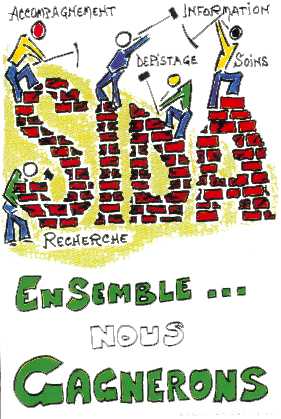
1er décembre 2006 : journée mondiale de lutte contre le sida

1er décembre : « Stop sida. Tenons notre promesse »
Le monde a promis de stopper le sida d’ici à 2015. Que ferez-vous ?
Le thème de la Journée mondiale de lutte contre le sida 2006 est celui de la responsabilité.
Les femmes sont de plus en plus concernées par le sida. Cette évolution de l’épidémie nous a donné l’idée d’interviewer des femmes politiques pour connaître leur sentiment. Que pensent-elles des initiatives privées à la Bill Gates ? Sont-elles favorables aux microbicides ? S’il n’y avait qu’une mesure à prendre, quelle serait-elle ?
Sida Info Service a posé ces questions à des femmes politiques de droite et de gauche. Découvrez leurs réponses dans notre dossier spécial à partir du 28 novembre 2006.
11/22/2006
Iran : SOS homophobie dénonce l'exécution d'un homosexuel
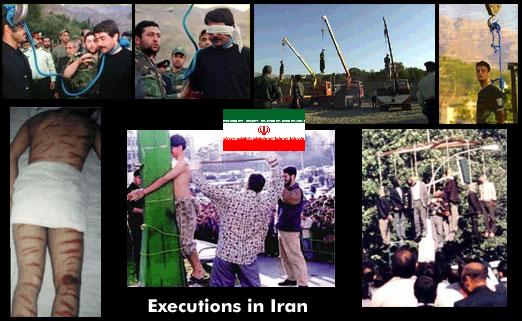
"Tous les prétextes fallacieux sont utilisés pour assassiner des homosexuels dans un pays où le code pénal islamique rend passible de la peine de mort l'homosexualité entre adultes consentants, dénonce SOS homophobie dans un communiqué. Face aux multiples déclarations homophobes des dignitaires religieux iraniens, force est de constater qu'une nouvelle fois la religion est prétexte à la haine, à la violence et au meurtre".
11/19/2006



11/15/2006
ایران فردی دیگر را به دلیل روابط همجنسگرایانه اعدام کرد
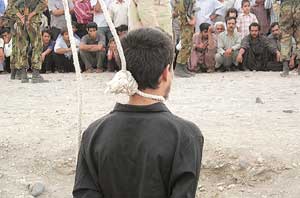
يك شرور در كرمانشاه به دار مجازات آويخته شد
http://www.irna.com/fa/news/view/line-14/8508234483172234.htm
كرمانشاه ، خبرگزاري جمهوري اسلامي ۸۵/۰۸/۲۳
يك شرور به نام " شهاب درويشي " عصر روز سهشنبه در ميدان آزادي كرمانشاه به دار
مجازات آويخته شد.
به گزارش روابط عمومي دادگستري استان كرمانشاه، اين فرد به جرم تشكيل باند فساد، ضرب و جرح عمدي و عمل
شنيع لواط اعدام شد.
براساس اين گزارش، حكم اعدام اين فرد در شعبه دوم شهرستان صحنه صادر و در شعبه دوم تجديد نظر دادگاه كرمانشاه تاييد و در شعبه بيست و هفتم ديوان عالي كشور نيز تنفيذ شد.
دستگاه قضايي حمايت كرده و خواستار برخورد قاطع با مجرمان و عوامل ناامني در جامعه شدند.
Les dernières infos
Iran (Répression)
Nouvelle pendaison d'un homosexuel
Mardi 14 novembre, l'agence officielle de presse iranienne IRNA a révélé l'exécution par pendaison publique dans la province de Kermanshah d'un homosexuel le même jour, dans la soirée. Le service de communication du département de la justice de la province a également rendu publics les motifs de la condamnation: formation d'un réseau de corruption, agressions physiques et acte de sodomie. Des centaines d'habitants seraient venus assister à la mise à mort. C'est la première fois que l'Iran communique sur des condamnations à mort pour acte de sodomie, depuis que la communauté internationale avait condamné la pendaison de deux mineurs le 19 juillet 2005 (lire Quotidien du 22 juillet 2005). Depuis, les pendaisons, flagellations, obligations de changement de sexe et lapidation de gays et de lesbiennes n'ont pas cessé, mais les autorités masquaient souvent les véritables motifs des condamnations par des accusations de viols ou d'agressions physiques. Cette nouvelle condamnation conforte les Pays-Bas dans leur décision de cesser le renvoi de demandeurs d'asile homosexuels dans leur pays d'origine. De son coté, la France n'a toujours pas pris de décisions sur cette question.
(Lire aussi l'interview d'une lesbienne iranienne sans-papiers en France, dans Têtu n°117, en kiosque demain, jeudi 16 novembre)
Copyright tetu.com
par Blaise Gauquelin
Info du 2006-11-15
Et aussi...
• (15/11/2005) Deux homosexuels auraient été pendus la semaine dernière
• (10/01/2006) Le guide suprême iranien fustige droits de l'être humain et démocratie en Occident
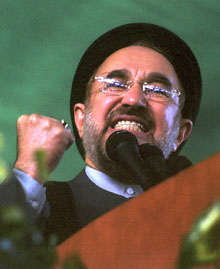
• (11/09/2006) Mohammad Khatami justifie la répression des homosexuels
• (17/10/2006) Appel aux dons pour un militant gay iranien
(22/07/2005) L'Iran a exécuté deux adolescents en raison de leur «homosexualité»



10/12/2006
pesaraneh آگاه باشید و بیدار

BABAK AMIRI
ما ایرانیها را از یاد نبرید
به تمامی دولتها و گروههای بشر دوست راستی چه فرقی بین حکومت طالبان و
سر بریدن در ملا عام و بدار آویختن دو کودک در مشهد وجود دارد ؟
در نهایت امروز دیگر صدایی از اعدامها نیست و این بدان مفهوم نمیباشد که احکام اعدام همجنسگرایان لغو شده ؛ نه بلکه همگان از این فاجعه آگاه هستند که خیلی از اعدامها در جمهوری اسلامی بصورت مخفیانه انجام میشود و یا بصورت حادثه سازی و یا گروه مخفی مرگ ترتیب آن را میدهند . از مرگ دو ترانسسکسوال یاد مکنم و نحوه مرگشان یکی در خانه اش بدار اویخته شده دیگری با ضربهای چاقو بقتل رسیده بود . در ایران گروه لباس شخصیها بسیجی خیلی راحت خود رادر هر قالبی جای میدهند و افراد را به دام خود می اندازند ماجرای امیر را یادآور میشوم که بوسیله لباس شخصیها در دام قوانین غیر بشری افتاد و مورد جزا بناحق قرار گرفت . قانون گذران ایرا ن راه سکوت در اعدامها و شکنجه را پیش از بیش در دستور کار خود قرار داده اند . اگر از اعدام همجنسگرایان خبری نیست بدان منظور نمی باشد که از کتاب قانون جزایی کشور جمهوری اسلامی ایران احکام و مواد این قوانین پاک شده است .
آگاه باشید و بیدار
10/01/2006
Gay Iranian to be deported

Gay Iranian to be deported
Published: 29th September 2006 18:38 CET
Online: http://www.thelocal.se/article.php?ID=5069
A gay Iranian is to be deported from Sweden back to his homeland, a migration court in Stockholm decided on Friday.
Gay rights group RFSL has condemned the decision, saying that the man could be executed on his return.
"They're choosing to send people back and just hope that things go well, and that they're not executed," said RFSL's chairman Sören Andersson to The Local.
The man had appealed a decision from the Swedish Board of Migration to deport him. He told the court that he had been harassed, assaulted and imprisoned because of his sexual orientation. He also said that he had been arrested by Iranian police and raped at the police station.
But the court said that the man faced no concrete and individual risk if he were to return to Iran.
The court referred to a 2005 report from the Swedish foreign ministry, which said that Islamic law as applied in Iran prescribed "terrible penalties" for homosexual acts. Men who are found to have had penetrative sex can face the death penalty.
But the report also said that most gay people in Iran managed to avoid danger by living "discrete and withdrawn" lives.
Sören Andersson said it was unreasonable for Sweden to demand that gay people live "hidden lives."
"We are very critical of the Foreign Ministry's reporting," he said.
He also pointed to a report from the United Nations' Philip Alston, in which he detailed a number of cases in which men were sentenced to death for "private, consensual sexual conduct."
Alston also described a Special Protection Division, which empowers police officers to conduct surveillance of citizens' private sexual behaviour.
"There's a certain cynicism in the foreign ministry, in the Migration Board and in courts - they don't care whether people live or die," said Andersson.
RFSL has also raised the case of a lesbian from Pakistan, who also faces deportation to her homeland. Andersson says she was raped by police with the aim of "rehabilitating" her.
Asked whether people claiming asylum due to persecution on the grounds of sexual orientation were treated less favourably than political asylum seekers, Andersson said he was "beginning to wonder whether that is the case."
"People who seek political asylum do seem to be seen as more important. This is hair-raising reasoning about sexual orientation."
The Iranian's legal representative, Lars Lundin, said he would probably appeal Friday's ruling.
"This case is of great interest on a point of principle, ad the new migration courts lack a body of precedents," he said.
James Savage
Iranien gay à expulser
Édité : 29ème Septembre 2006 18:38 CET
En ligne : http://www.thelocal.se/article.php?ID=5069
Un Iranien gai doit être expulsé de Suède de nouveau à sa patrie, une cour de migration à Stockholm décidé le vendredi.
Le groupe gai RFSL de droites a condamné la décision, dire que l'homme pourrait être exécuté sur son retour.
"Ils choisissent de renvoyer des personnes et l'espoir juste que les choses vont bien, et qu'elles ne sont pas exécutées," a dit le Président Sören Andersson de RFSL aux gens du pays.
L'homme avait en appelé à une décision du conseil suédois de la migration pour l'expulser. Il a dit à la cour qu'il avait été harcelé, assailli et emprisonné en raison de son orientation sexuelle. Il a également dit qu'il avait été arrêté par la police d'Iranien et violé au commissariat de police.
Mais la cour a indiqué que l'homme n'a fait face à aucun risque concret et individuel s’ils devaient retourner en Iran.
La cour s'est rapportée à un rapport 2005 du ministère étranger suédois, qui a indiqué que la loi islamique comme appliquée en Iran a prescrit "des pénalités terribles" pour des actes homosexuels. Les hommes qui s'avèrent pour avoir eu le sexe pénétrative peuvent faire face à la pénalité de mort.
Mais le rapport a également indiqué que la plupart des personnes gaies en Iran parvenu pour éviter le danger par les vies "discrètes et retirées" de vie.
Sören Andersson a indiqué qu'il était peu raisonnable que la Suède exige que les personnes gaies vivent "les vies cachées."
"nous critiquons très le ministère étranger rapportant," il a dit.
Il s'est également dirigé à un rapport de Philip Alston des Nations Unies, dans lequel il a détaillé un certain nombre de cas dans lesquels des hommes ont été condamnés à la mort pour "la conduite sexuelle privée et consensuelle."
Alston a également décrit une Division spéciale de protection, qui autorise des officiers de police pour conduire la surveillance du comportement sexuel privé des citoyens.
"Il y a un certain cynisme au ministère étranger, dans le conseil de migration et dans les cours - ils ne s'inquiètent pas si les gens vivent ou meurent," ont dit Andersson.
RFSL a également soulevé le cas d'une lesbienne du Pakistan, qui fait face également à la déportation à sa patrie. Andersson indique qu'elle a été violée par la police dans le but de "la remettre en état".
Demandé si l'asile réclamant de personnes dû à la persécution en raison de l'orientation sexuelle ont été traités moins favorablement que les chercheurs politiques d'asile, Andersson a indiqué qu'il "commençait à se demander si c'est le cas."
"Peuplez qui l'asile politique de recherche semblent être vus comme plus important. C'est raisonnement horrifiant au sujet d'orientation sexuelle."
Le représentant légal de l'Iranien, Lars Lundin, dit il en appellerait probablement à régner de vendredi.
"Ce cas est de grand intérêt sur un point de principe, annonce le nouveau manque de cours de migration un corps des précédents," il a dit.
Sauvage de James
9/30/2006

9/28/2006
9/25/2006
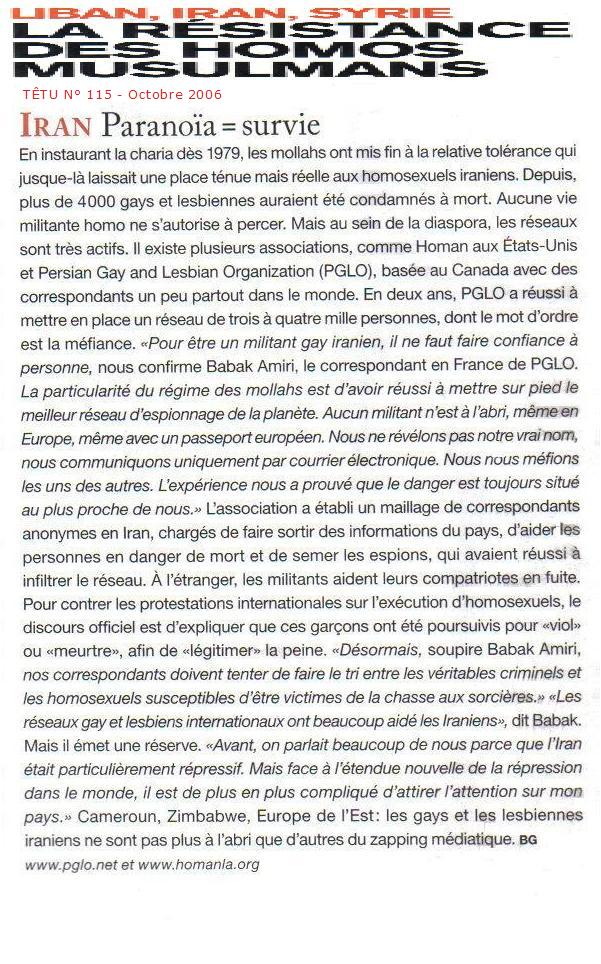
La résistance des homos musulmans ++ TÊTU N° 115 - Octobre 2006
TÊTU N° 115 - Octobre 2006
Oui, s'assumer en tant qu'homo en Iran, en Palestine ou en Egypte relève de l'exploit quotidien. Persécutions, exécutions, clandestinité… mais il y a encore de la vie dans les territoires occupés ou au milieu du chaos de Bagdad. L'envie de vaincre survit grâce à des homos obstinée.
Oui, s'assumer en tant qu'homo en Iran, en Palestine ou en Egypte relève de l'exploit quotidien. Persécutions, exécutions, clandestinité… mais il y a encore de la vie dans les territoires occupés ou au milieu du chaos de Bagdad. L'envie de vaincre survit grâce à des homos obstinée.
9/24/2006
COMMENT FAIRE SON COMING OUT ?


21h05 : COMING OUT À L’ISLANDAISE
Doc / Islande / 2003 / 60' / VOST
Réalise par H. Gunnarsdottir et T. Kristinsson
L'islande fait son coming out sur PinkTV avec l'un des premiers documentaires à s'intéresser aux jeunes homosexuels Islandais. Du déni de soi au coming out salvateur, 9 gays et lesbiennes âgés de 18 à 28 ans nous ouvrent les portes de leur adolescence, une période de leur vie douloureuse où le sentiment d'être différent côtoie celui de la solitude dans des petites villes où les homos sont très discrets, voire inexistants. Certains ont tenté leur chance avec l'autre sexe, rêvant d'une pilule miracle qui les aurait ramenés dans le "droit chemin". D'autres se perdent dans l'alcool, la drogue et des comportements auto-destructeurs. Puis vient la rencontre inespérée avec le premier amour, la volonté de s'assumer enfin et de s'affirmer auprès des amis et de la famille, quelles que soient leurs réactions. Tous sont unanimes pour reconnaître que leur "coming out " a été une étape fondamentale dans leur parcours personnel. Quand l'Is lande sort du placard, les coeurs se livrent à chaud avec beaucoup de pudeur et de lucidité. Un très beau documentaire récompensé aux Festivals Gay et Lesbiens de San Francisco et d'Indianapolis.
22h05 : COMMENT FAIRE SON COMING OUT ?
Débat / 2006 / 60’
Présenté par Alex Taylor, entouré de M-H Bourcier et J. Broyon
Pour les gays et les lesbiennes, le coming out (ou " sortie du placard ") est toujours une étape importante qui se passe avec plus ou moins de succès. Si l'évolution des mentalités a peut-être facilité les choses, beaucoup craignent encore de révéler leur homosexualité à leurs amis ou à leur famille. Par peur de ne pas trouver les mots justes, de ne pas être compris voire d'être violemment rejetés. Quelles sont les clés pour réussir son coming out ? Est-il nécessaire de faire son coming-out pour vivre pleinement son homosexualité ? Le quotidien change-t-il du tout au tout après l'annonce ? S'appuyant sur de nombreux témoignages, Alex Taylor tentera de répondre à ces questions en compagnie des invités présents sur le plateau : Nicolas Miguet (candidat aux élections présidentielles), Calixthe Beyala (écrivain), Titof (acteur), Christiane Tcatchenko (de l’association Contact), Xavier Héraud (écrivain), Catherine Tripon (Présidente de l'Autre Cercle), Maxime Cervulle (traducteur), Yahel, Babak Amiri, Marie-Pierre Pruvot et Eric Bailly.
9/23/2006
25-09-2006 - 22:05 - LE DÉBAT

Pour les gays et les lesbiennes, le coming out (ou "sortie du placard") est toujours une étape importante qui se passe avec plus ou moins de succès. Si l'évolution des mentalités a peut-être facilité les choses, beaucoup craignent encore de révéler leur homosexualité à leurs amis ou à leur famille. Par peur de ne pas trouver les mots justes, de ne pas être compris voire d'être violemment rejeté. Quelles sont les clés pour réussir son coming out ? Est-il nécessaire de faire son coming-out pour vivre pleinement son homosexualité ? Le quotidien change-t-il du tout au tout après l'annonce ? S'appuyant sur de nombreux témoignages, Alex Taylor tentera de répondre à ces questions en compagnie des invités présents sur le plateau.
Rediffusion(s) :
26-09-2006 16:20 | 28-09-2006 17:10 |
9/20/2006
Belgium and France grants again refugee status to gay man from Iran-پناهجویان ایرانی در فرانسه و بلژیک قبول شدند
Recently a gay man from Iran applying for refugee status in Belgium and an Iranian gay couple applying for refugee status in France for persecution on the grounds of sexual orientation in their home country has been recognised as a refugee.
PGLO is thankful to all those people who have supported them especially Human Rights Watch, WISH (Belgian workgroup international gay solidarity) and Mr. Albert Kozyns from Belgium.
Earlier another gay Iranians were granted the status of refugee too.
We are grateful to the Belgian and France authorities that they take in consideration the terrible violations of human rights of homosexual people in Iran.
Persian Gay & Lesbian Organization – PGLO
(Iranian Queer Organization – IRQO)
به تازگی یک همجنسگرای ایرانی در بلژیک و یک زوج همجنسگرا در فرانسه که به دلیل فشارهای وارده بر آنها از ایران متواری شده بودند و به بلژیک و فرانسه پناه برده بودند از طرف دولت پس از تلاش های بسیار زیاد به عنوان پناهنده شناخته شدند.
سازمان همجنسگرایان ایرانی از تمام افرادی که حمایت خود را اعلام کرده اند به ویژه سازمان دیده بان حقوق بشر، سازمان WISH در بلژیک و آقای آلبرت کوزینز تشکر و قدردانی می کند.
این موفقیتی بزرگ است و باید در شادی آن همجنسگرایان سهیم شد.
همچنین از دولت های بلژیک و فرانسه تشکر بعمل می آید که با حمایت خود و توجه به موقعیت همجنسگرایان در ایران آن ها را پناه داده و زندگی آرامی را به آنها هدیه داده است.
سازمان همجنسگرایان ایرانی
PGLO is thankful to all those people who have supported them especially Human Rights Watch, WISH (Belgian workgroup international gay solidarity) and Mr. Albert Kozyns from Belgium.
Earlier another gay Iranians were granted the status of refugee too.
We are grateful to the Belgian and France authorities that they take in consideration the terrible violations of human rights of homosexual people in Iran.
Persian Gay & Lesbian Organization – PGLO
(Iranian Queer Organization – IRQO)
به تازگی یک همجنسگرای ایرانی در بلژیک و یک زوج همجنسگرا در فرانسه که به دلیل فشارهای وارده بر آنها از ایران متواری شده بودند و به بلژیک و فرانسه پناه برده بودند از طرف دولت پس از تلاش های بسیار زیاد به عنوان پناهنده شناخته شدند.
سازمان همجنسگرایان ایرانی از تمام افرادی که حمایت خود را اعلام کرده اند به ویژه سازمان دیده بان حقوق بشر، سازمان WISH در بلژیک و آقای آلبرت کوزینز تشکر و قدردانی می کند.
این موفقیتی بزرگ است و باید در شادی آن همجنسگرایان سهیم شد.
همچنین از دولت های بلژیک و فرانسه تشکر بعمل می آید که با حمایت خود و توجه به موقعیت همجنسگرایان در ایران آن ها را پناه داده و زندگی آرامی را به آنها هدیه داده است.
سازمان همجنسگرایان ایرانی
9/17/2006

8/01/2006


Inscription à :
Articles (Atom)